The Complete Guide to Buying and Using Natural Sea Moss
Sea moss has moved from niche wellness circles into everyday kitchens, and it’s not hard to see why. This mineral-rich sea vegetable is often praised for its versatility, texture, and nutrient profile. But once you start shopping for it, things get murky fast. Wildcrafted or farmed? Gold, purple, or green? Raw, dried, powdered, or gel? And how do you know whether what you’re buying is actually high quality?
If you’re curious about sea moss but want a practical, grounded guide, the good news is that the basics are straightforward. The key is understanding what sea moss is, how it should look and behave in its natural state, and how to use it without overcomplicating the process.
What Sea Moss Actually Is
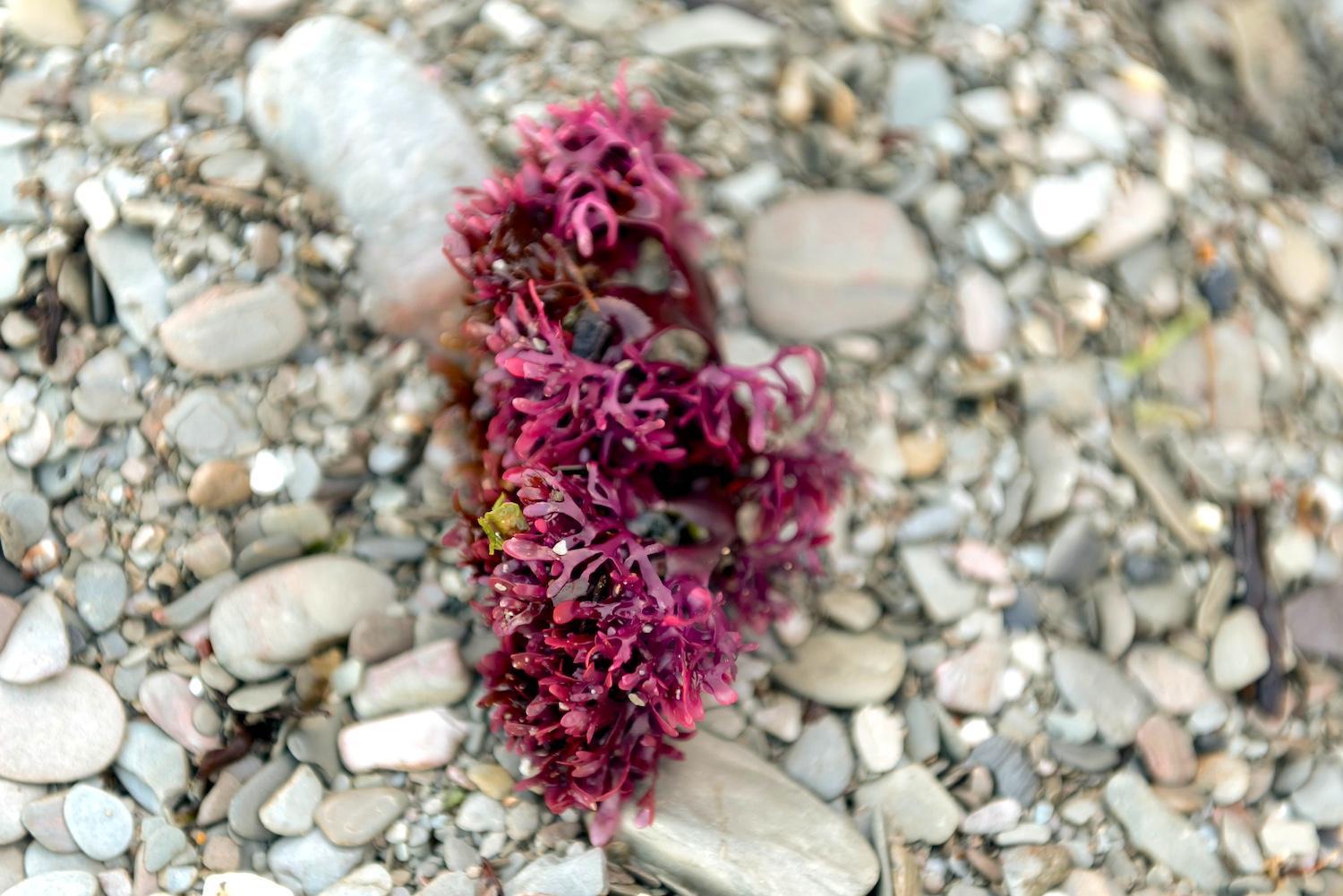
Sea moss is a type of red algae, most commonly associated with Chondrus crispus or related varieties harvested from coastal waters. Although people often talk about it as a supplement, it’s really closer to a whole food ingredient. Traditionally used in parts of the Caribbean and Ireland, sea moss has long been added to drinks, soups, and home remedies.
Its popularity today comes partly from its mineral content. Sea moss naturally contains iodine, potassium, calcium, and magnesium, along with soluble fiber. That doesn’t make it a miracle food, but it does make it a useful one, especially for people trying to add more mineral-dense whole foods to their diets.
The challenge is that the modern market has created a quality gap. Some products are carefully harvested and minimally processed. Others are heavily handled, artificially colored, or grown in ways that leave buyers with something that looks better on social media than it performs in the kitchen.
How to Buy Sea Moss Without Getting Misled
The first thing to remember is that appearance matters. Natural sea moss should not look unnaturally bright, overly uniform, or suspiciously clean. Sea moss that grows in the ocean is shaped by currents, rocks, sun, salt, and contact with other marine life. That means variation is normal.
When comparing products, it helps to look for a supplier that clearly explains origin, harvesting methods, and processing. If you’re browsing for naturally sourced sea moss, pay attention to whether the sea moss retains its natural texture and color variation rather than looking bleached or mass-produced. A good product description should tell you more than “premium” or “wildcrafted”; it should help you understand what you’re actually getting.
Signs of Quality
There are a few reliable indicators worth keeping in mind:
- A mild ocean smell, not a harsh chemical odor
- Natural color variation, including gold, green, or purple tones
- A dry but slightly pliable texture before soaking
- Some residual salt or sand, which is normal before cleaning
- Clear information about where and how it was harvested
That last point matters more than many buyers realize. Transparency is often the clearest signal that a producer understands the product and expects informed customers.
Wildcrafted vs. Pool-Grown
This is one of the biggest distinctions in the sea moss market. Wildcrafted sea moss grows in the ocean, where it absorbs minerals from its natural environment and develops a more irregular shape. Pool-grown sea moss is cultivated in controlled settings, often on ropes. It can still be usable, but it may differ in texture, mineral complexity, and overall character.
Neither label alone guarantees quality. “Wildcrafted” gets used loosely, so it’s worth looking for details rather than relying on the word itself.
Preparing Sea Moss at Home
If you buy dried sea moss, preparation is simple, though it does take a little patience. Start by rinsing it thoroughly under cool water to remove salt, sand, or any bits of shell. Then soak it in filtered water for 12 to 24 hours. During that time, it will expand and soften considerably.
Once soaked, blend it with fresh water until smooth. The result is sea moss gel, which can be stored in the refrigerator for around two to three weeks, depending on freshness and handling. Some people add lime or lemon during soaking to brighten the flavor, but it isn’t essential.
Common First-Time Mistakes
A lot of frustration with sea moss comes from simple prep issues. Using too much water can create a thin gel, while under-soaking leaves it gritty. Over-rinsing with hot water can also affect texture. If your first batch isn’t perfect, don’t assume the product is bad. Sea moss has a learning curve, but it’s a short one.
How to Use Sea Moss in Everyday Meals
One reason sea moss has stayed relevant across different food traditions is that it’s easy to work into a routine. The gel itself has a fairly neutral taste when prepared well, which makes it adaptable.
You can stir a spoonful into smoothies, blend it into soups, add it to teas, or use it as a thickener in sauces and desserts. In plant-based cooking, it can also improve texture in homemade puddings or dairy-free recipes. Some people take it straight from the spoon, but it tends to be more enjoyable when folded into something you already like.
The best approach is consistency, not excess. More is not necessarily better, especially because sea moss contains iodine. For most people, modest portions make more sense than loading it into every meal.
A Few Sensible Precautions
Sea moss may be natural, but “natural” doesn’t mean unlimited. Because it can be high in iodine, people with thyroid conditions should be especially careful and consider speaking with a healthcare professional before using it regularly. The same goes for anyone who is pregnant, managing complex health issues, or taking medication that affects mineral balance.
It’s also worth being realistic about health claims. Sea moss can be part of a nutrient-rich diet, but it is not a cure-all. The most useful way to think about it is as a supportive whole food, not a shortcut.
Choosing Sea Moss With Confidence
Buying sea moss gets easier once you know what normal looks like. A quality product won’t need flashy claims or artificial perfection. It should look like something that came from the sea, because it did.
If you focus on sourcing, transparency, texture, and minimal processing, you’ll avoid most of the common pitfalls. From there, using sea moss is less about chasing trends and more about building a simple habit around a traditional ingredient that has stood the test of time.