How DJs Read the Crowd and Keep the Party Going
A great DJ does far more than press play. The real skill lies in understanding people in real time: noticing when energy is peaking, when attention is drifting, and when the room is ready for a change. That instinct can make the difference between a party that feels disjointed and one that seems to gather momentum naturally as the night unfolds.
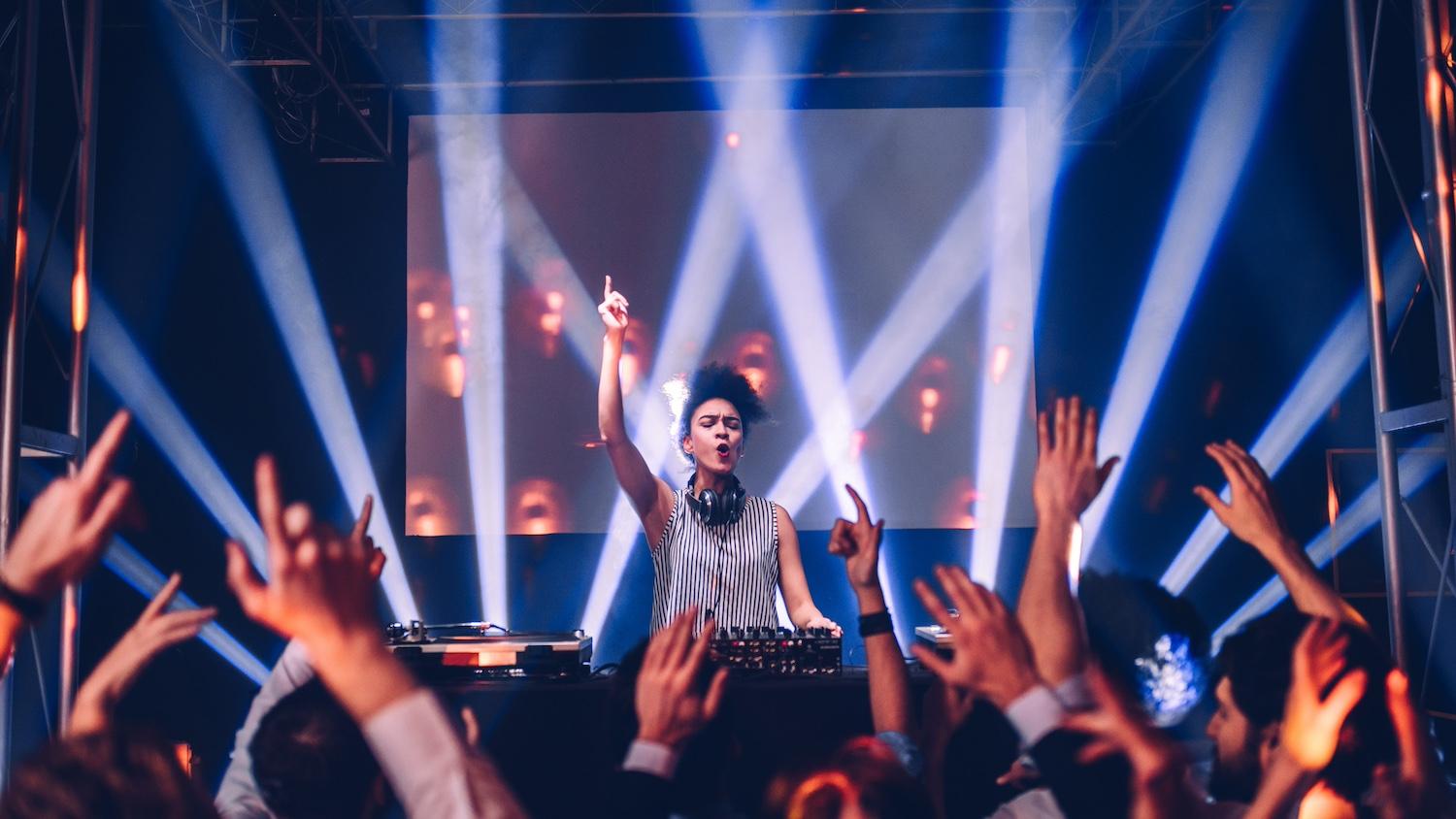
If you have ever watched a packed dance floor suddenly empty after one song, you have seen how fragile party energy can be. Music matters, of course, but timing, pacing, and observation matter just as much. The best DJs are part curator, part technician, and part crowd psychologist.
Reading the Room Starts Before the First Song
Crowd reading does not begin when guests step onto the dance floor. It starts earlier, often before the event itself. An experienced DJ will think about the type of celebration, the age mix, the venue layout, and the social dynamic of the guest list. A birthday party with three generations in the room requires a different approach from a late-night club set.
That preparation creates a framework, but it is never enough on its own. Even the most carefully planned playlist has to be flexible. People do not always respond the way you expect. A song that works brilliantly at one event might fall flat at another, simply because the mood is different.
The best DJs come in with options, not rigid assumptions. They know the likely crowd favourites, but they are ready to pivot based on what they see.
The First 30 Minutes Matter More Than Most People Realise
Early in the night, a DJ is gathering information. Who heads to the bar first? Who reacts when a familiar intro comes on? Are people chatting comfortably, or are they waiting for permission to let loose?
In those first moments, the DJ is not just choosing songs. They are testing the room. A slightly bolder track can reveal whether the crowd is ready to dance. A singalong favourite can show whether people want nostalgia or something more current. These small decisions help shape everything that follows.
That is one reason hosts often look for professional DJs for birthday celebrations rather than relying on a pre-built playlist. A playlist cannot notice hesitation, excitement, or shifting energy. A skilled DJ can, and that responsiveness is what keeps a party feeling alive instead of mechanical.>
The Signals DJs Watch Closely
A dance floor does not need to be full for a DJ to know whether things are working. The clues are often subtle. Experienced DJs pay attention to patterns that most guests never notice.
- Body language: are people swaying, tapping feet, nodding along, or heading back to their seats?
- Movement flow: do guests stay on the floor through transitions, or do they leave after each song?
- Group behaviour: does one confident group start dancing and pull others in, or is everyone staying in their own circles?
- Volume of reaction: do people cheer at intros, sing choruses, or respond when the beat drops?
These cues help a DJ decide whether to build on the current mood or shift gears entirely.
Energy Management Is More Important Than Constant Intensity
One common misconception is that a great party should stay at maximum energy all night. In reality, nonstop intensity can tire people out. Good DJs understand the importance of pacing. They create peaks and breathers, giving the crowd time to recover without losing engagement.
Building Momentum Instead of Forcing It
The strongest sets usually feel gradual. A DJ might begin with familiar mid-tempo tracks while guests settle in, then increase the tempo in small steps. If the room responds well, the energy rises naturally. If not, the DJ may hold back and wait for the right moment.
That patience is crucial. Push too hard too early and the crowd can resist. Build too slowly and the room may never lift. The art lies in knowing when to nudge and when to hold.
Why Transitions Matter So Much
People often remember songs, but they feel transitions. A jarring shift can break the atmosphere, even if both tracks are popular. Smooth mixing, smart tempo changes, and clever genre bridging keep dancers engaged without making the set feel predictable.
This matters especially at mixed-age events, where the challenge is not simply playing hits but connecting different tastes. A skilled DJ might move from disco into commercial pop, or from R&B into dance classics, in a way that feels seamless rather than abrupt.
The Best DJs Balance Requests With Flow
Song requests can be valuable clues. They tell a DJ what individuals want to hear and can highlight gaps in the set. But they should not dictate the entire night.
An experienced DJ knows how to weigh a request against the current mood. Sometimes the requested song is exactly what the room needs. Sometimes it is better held back for later. And occasionally, the right call is not to play it at all if it would empty the floor.
This balance can be delicate, especially at personal celebrations where guests feel invested. The DJ’s role is to honour the spirit of the event while protecting the overall momentum.
Different Crowds Need Different Tactics
There is no universal formula for keeping a party going. A room full of close friends who arrived ready to dance behaves very differently from a family event where people need warming up.
Mixed-Age Celebrations
At birthdays, weddings, and community events, the DJ often has to serve several generations at once. In these settings, recognisable music is powerful. Familiar hooks lower inhibitions and create shared moments across age groups.
Smaller Parties
Smaller rooms can be trickier than large ones. In a big crowd, energy often feeds itself. In an intimate setting, each choice feels more exposed. DJs may need to use more conversational tracks early on, letting people connect before shifting toward dance-heavy material.
Late-Night Crowds
Later in the evening, people usually become more adventurous. That is the time a DJ can take more risks, introduce heavier tracks, or extend the peaks. By then, trust has been built.
Keeping the Party Going Means Staying Present
Perhaps the biggest difference between an average DJ and a memorable one is attention. A great DJ remains fully engaged with the room. They are not just playing what worked last week or what sits in a prepared folder. They are watching, adjusting, and making dozens of small decisions that shape the night.
That responsiveness is hard to fake. It comes from experience, musical range, and a genuine understanding of how people gather and celebrate. When it works, guests do not always notice the mechanics behind it. They simply feel that the party had a natural rhythm, that one great moment led effortlessly to the next, and that somehow the energy never quite dropped.
And really, that is the job: not just to play music, but to guide the room through an experience people will still be talking about long after the final track ends.