What Animals You Can Expect to See on a Mara Safari
The Maasai Mara has a reputation that can make first-time visitors wonder whether reality will live up to the myth. In most cases, it does. This is one of Africa’s most wildlife-rich landscapes: open grasslands, seasonal rivers, scattered acacia, and an extraordinary concentration of predators and plains game. Still, the real answer to “what will I see?” depends on when you go, where in the ecosystem you spend your time, and how patient you’re willing to be.
A Mara safari is rarely about ticking off a single famous species. It’s about watching how animals move through a working ecosystem. One morning you may find lions draped over a termite mound, bellies full after a night hunt. By late afternoon, you could be following a herd of elephants as they cross a valley under gathering rain. That variety is what makes the Mara so compelling.
The Big Names: Why the Mara Is Famous
If you’re coming for iconic African wildlife, the Mara delivers.
Lions in Remarkable Numbers
Lions are often the stars of the show. The open terrain makes them easier to spot here than in many more wooded parks, and the density of prey supports multiple prides. You might see females stalking zebra through tall grass, males patrolling territory at dawn, or cubs wrestling near a shaded thicket while adults doze nearby. For many visitors, lions are the most consistently memorable sighting.
Elephants, Buffalo, and Giraffe
Elephants are common across much of the reserve and surrounding conservancies. They’re not always dramatic in the cinematic sense, but watching a matriarch guide calves through the savannah is the kind of moment that stays with you. Buffalo are equally important, often seen in large herds, especially near water and grazing areas. They can look placid from a distance, though guides treat them with a healthy respect.
Masai giraffes are another near-constant presence. Because of their height and calm movement, they often become part of the landscape before you consciously notice them. Then suddenly there are six, then twelve, browsing among the acacias.
Leopard and Rhino: Less Predictable, Still Possible
Leopards are present, but they require more luck. They favor riverine woodland and thicker cover, and sightings tend to reward slow scanning and experienced guiding. Black rhino can also be seen in the greater Mara ecosystem, though they are far less common than lions, elephants, or buffalo. If rhino is high on your list, it’s worth setting expectations early: possible, yes; guaranteed, no.
The Great Herds That Shape the Landscape
The Mara is not defined only by predators. Its drama comes from prey species in astonishing abundance.
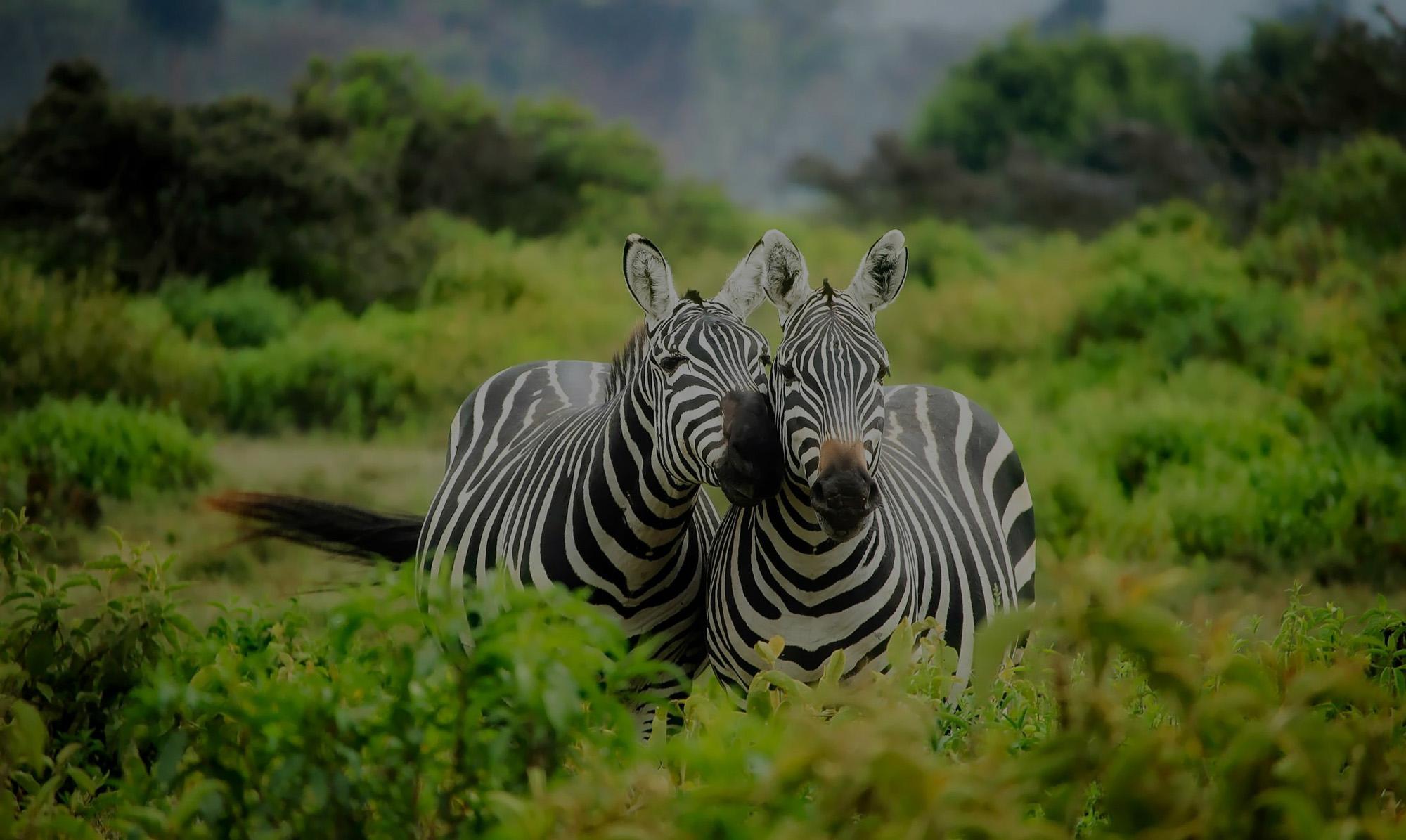
Wildebeest and Zebra
If you visit during the migration months, you may encounter the immense herds of wildebeest and zebra for which the Mara is globally known. The scale can feel almost abstract at first: thousands of animals spread across the plains, snorting, shifting, and bunching together as if the ground itself were moving. River crossings get the attention, understandably, but even the quieter scenes — grazing columns stretching to the horizon — are enough to explain why this ecosystem matters.
If you want a sense of how that wider habitat supports both resident wildlife and seasonal movement, a premium grassland ecosystem safari experience helps illustrate why the Mara is far more than a migration backdrop. It’s a year-round ecological engine
Antelope Everywhere, and for Good Reason
You’ll also see topi, impala, Thomson’s gazelle, Grant’s gazelle, hartebeest, eland, and waterbuck in the right areas. These species may not headline travel brochures, but they’re central to the safari experience. They create the visual rhythm of the plains and, just as importantly, sustain the predators people travel so far to see.
Topi are especially characteristic of the Mara, often perched on termite mounds like self-appointed sentries. Impala gather in graceful, restless groups. Eland, Africa’s largest antelope, bring a different energy altogether: heavy, deliberate, and surprisingly elegant.
Predators Beyond the Lion
The Mara’s food chain is one reason game drives here feel so charged. Even when nothing dramatic is happening, the possibility is always present.
Cheetah on the Open Plains
Cheetahs thrive in open country, and the Mara gives them room to do what they do best. Sightings can be superb: a mother scanning from a slight rise, cubs hidden in grass, or an adult using a vehicle track as an easy route through the territory. Unlike lions, cheetahs often project a kind of nervous alertness, as though every movement has consequence.
Hyena and Jackal: The Clever Survivors
Spotted hyenas are among the most misunderstood animals in Africa. In the Mara, they’re impossible to dismiss as mere scavengers. They hunt effectively, move with confidence, and play a major role in shaping predator interactions. Black-backed jackals and side-striped jackals may also appear, especially in quieter moments between bigger sightings. Watch them closely and you begin to appreciate how much intelligence lives on these plains.
The Wildlife Many Visitors Don’t Expect
Some of the best Mara sightings are the ones people didn’t know to look for.
- Hippos and Nile crocodiles along major rivers
- Warthogs trotting with tails upright like antennae
- Vultures and eagles circling above fresh kills or open country
- Baboons and vervet monkeys near riverine areas and lodge zones
Birdlife Deserves More Attention
Even committed mammal-watchers tend to underestimate the Mara’s birdlife. Yet raptors, rollers, hornbills, storks, secretary birds, and ostriches add texture to every drive. A martial eagle on a perch or a lilac-breasted roller catching the light can interrupt your focus in the best possible way.
Timing, Habitat, and Expectations
The smartest way to approach a Mara safari is to think in probabilities, not promises. Dry seasons often make wildlife easier to spot as vegetation thins and animals cluster near water, while the migration typically peaks between roughly July and October, though timing shifts with rainfall. Green-season travel can be excellent too: fewer vehicles, dramatic skies, newborn animals, and abundant birdlife.
Habitat matters just as much as season. Open plains favor cheetah and grazing herds. River edges can produce hippos, crocodiles, and leopards. Conservancies often offer a different pace from the main reserve, sometimes with more exclusive wildlife encounters and less traffic.
Ultimately, what you can expect to see on a Mara safari is abundance — but not in a neat, staged way. The Mara rewards attention. Look past the headline species, and you begin to notice relationships: who grazes together, who alarms first, where predators wait, how weather shifts movement. That’s when a good safari becomes something richer than a checklist. It becomes a way of reading a landscape that is very much alive.